
Table of Contents
Changing Expectations of Digital Consumption
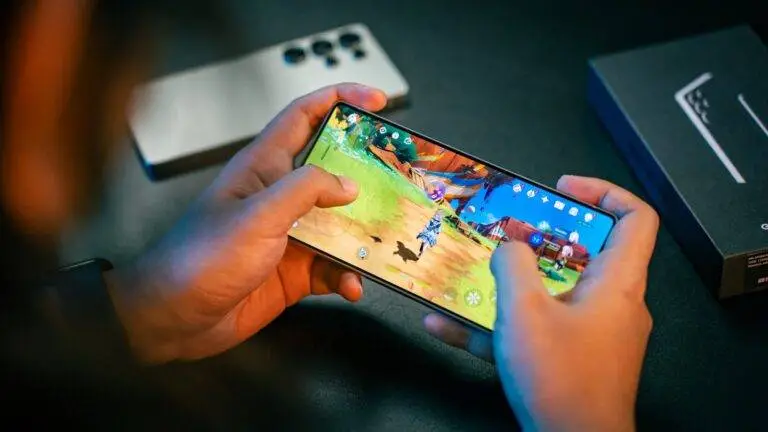
Digital entertainment has progressively moved toward immediacy and convenience. Users expect rapid access to engaging experiences without delays. Free social games fit perfectly within this landscape by providing instant interaction. Their frictionless entry aligns with contemporary preferences for speed and flexibility.
Removing Financial and Technical Barriers
Free social games eliminate obstacles that once restricted participation. Players can explore new experiences without financial risk or hardware constraints. This accessibility broadens the potential audience and encourages experimentation. Gaming becomes inclusive and widely approachable.
Engagement Driven by Human Variability
Human interaction distinguishes social games from passive entertainment formats. Cooperative gameplay and competitive scenarios introduce unpredictability. Each session becomes unique, shaped by participant decisions and behaviors. This variability sustains long-term engagement and interest.
Short Sessions Matching Modern Lifestyles
Free social games naturally accommodate shorter play sessions. Players can engage during brief moments of downtime without sacrificing satisfaction. This adaptability mirrors broader digital habits characterized by fragmented attention. Flexible participation encourages repeated interaction.
Continuous Evolution Maintaining Relevance
Developers increasingly adopt dynamic content models that introduce updates and new mechanics. These evolving structures prevent stagnation and maintain curiosity. Players perceive ongoing value, reinforcing consistent engagement. Games become living platforms rather than static products.
Instant Entertainment as a Cultural Norm
Free social games exemplify how interactive entertainment adapts to cultural shifts emphasizing immediacy. They merge accessibility, stimulation, and social connectivity. As expectations continue evolving, instant-play experiences will likely remain central to digital entertainment ecosystems.